From the Front Lines to the Front Porch: How Veterans Are Becoming America's Most Trusted Peacebuilders
From the Front Lines to the Front Porch: How Veterans Are Becoming America's Most Trusted Peacebuilders
When Marcus Ellery returned from his third deployment to Afghanistan in 2014, he carried home more than memories of conflict. He brought with him a finely calibrated instinct for reading tension in a room, a practiced ability to negotiate under pressure, and an almost reflexive understanding of how quickly misunderstanding can escalate into catastrophe. For years, he wasn't sure what to do with any of it.
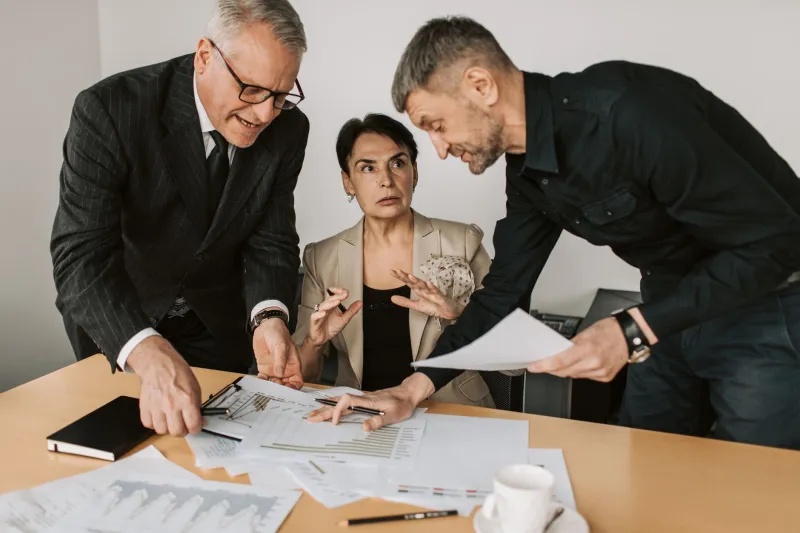
Then a community organizer in his hometown of Dayton, Ohio, asked him to sit in on a mediation session between two rival neighborhood factions whose disputes had begun spilling into violence. Ellery didn't have a formal mediator's certificate. What he had was something harder to teach: credibility earned through shared sacrifice, and the calm authority of someone who had navigated genuine danger.
"I wasn't there as an expert," Ellery recalls. "I was there as someone who'd seen what happens when people stop talking. That was enough to get people to listen."
Ellery is one of a growing number of American veterans who are channeling combat-forged skills into civilian peacebuilding roles — and whose involvement is quietly reshaping how communities across the country approach conflict resolution.
A Different Kind of Service
The connection between military training and peacebuilding may seem counterintuitive at first glance. War, after all, is the definitive failure of peaceful resolution. But the practical skills that modern military service demands — negotiating with local leaders in unfamiliar cultural contexts, de-escalating volatile confrontations, managing trauma, building trust across deep divisions — map with striking precision onto the competencies that professional mediators and community peacebuilders spend years trying to develop.
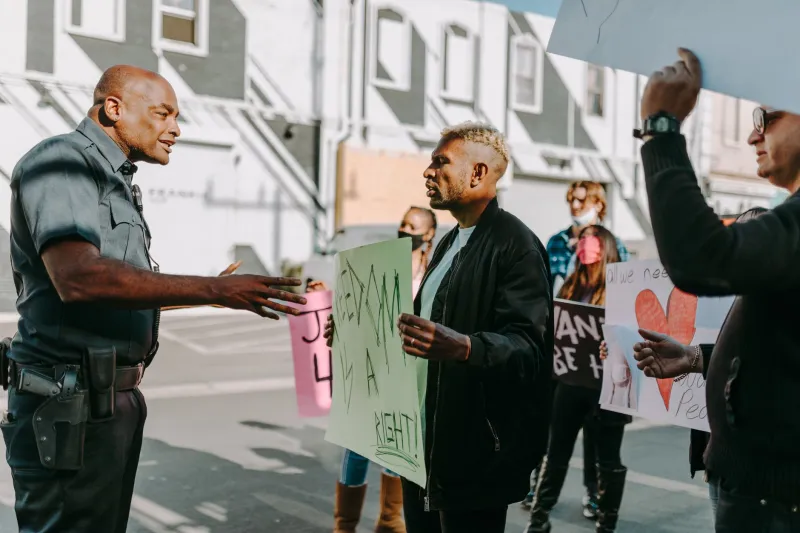
Organizations like Veterans for Peace, founded in 1985 and now operating chapters in more than 100 cities, have long argued that the moral weight of military experience, when turned toward reconciliation rather than combat, carries unusual persuasive force. Veterans for Peace chapters have facilitated dialogues between police departments and communities of color, organized cross-partisan town halls on veterans' issues, and sent members into high-conflict neighborhoods to serve as neutral trusted voices.
What distinguishes veteran peacebuilders from many of their civilian counterparts is not merely technical skill but social trust. In a country fractured along nearly every conceivable line — racial, political, economic, geographic — veterans occupy a rare position of cross-cultural legitimacy. Polling consistently shows that Americans across the political spectrum express higher trust in military veterans than in almost any other professional class. That credibility, practitioners argue, is not a credential to be wasted.
On the Ground: Where Veterans Are Making a Difference
In Chicago, a veteran-founded nonprofit called Breakthrough Urban Ministries has worked alongside former service members to embed conflict mediation into some of the city's most violence-affected neighborhoods. Veteran volunteers trained in tactical communication and crisis intervention work alongside community outreach workers, offering a combination of street-level empathy and structured de-escalation technique that has helped interrupt cycles of retaliatory violence.
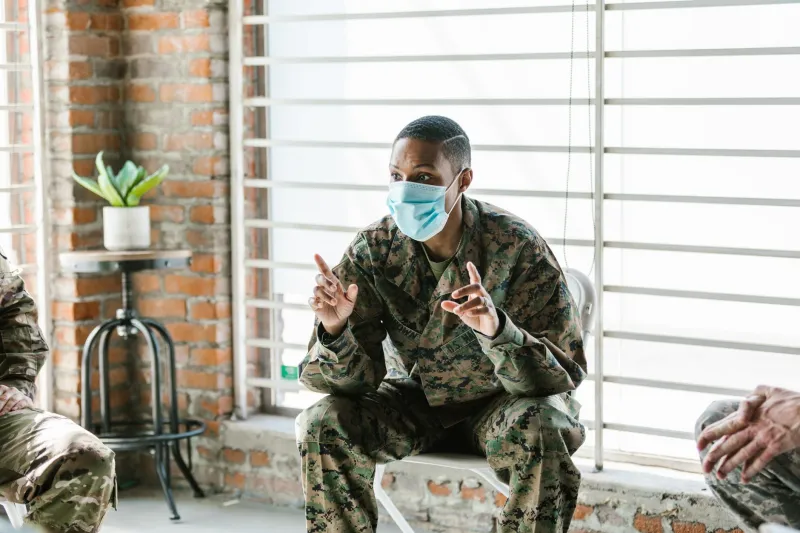
In rural West Virginia, a different kind of peacebuilding is unfolding. Veterans returning from overseas deployments have found themselves navigating the deep economic and cultural anxieties of post-industrial communities — communities that often feel invisible to coastal policymakers and progressive institutions alike. Some have organized listening circles modeled loosely on the after-action reviews common in military culture: structured, honest conversations about what went wrong, what could be done differently, and how to move forward without assigning blame.
These formats resonate in communities that are skeptical of conventional therapeutic or political language. They feel less like social work and more like accountability — which is, not coincidentally, a value that military culture instills deeply.
In Minneapolis, veterans have played a significant role in post-2020 community healing efforts, facilitating dialogues between residents, law enforcement, and activists who struggled to find common conversational ground following the civil unrest that followed George Floyd's murder. Several veteran mediators described their role not as taking sides but as holding space — ensuring that all parties felt heard before any substantive negotiation could begin.
Why Veterans? The Case for Credibility
Peacebuilding practitioners have long understood that the messenger matters as much as the message. A mediator who is perceived as biased, naive, or culturally disconnected will struggle to build the foundational trust that meaningful conflict resolution requires. Veterans, by virtue of their service, often arrive in rooms carrying a presumption of seriousness that opens doors that might otherwise remain closed.
This is especially true in communities where institutional trust has eroded — where residents are skeptical of government programs, academic researchers, and nonprofit organizations that parachute in with solutions developed far from the communities they claim to serve. A veteran who grew up in the same neighborhood, served overseas, and came home to find the same problems still festering carries a different kind of authority.
Dr. Anita Reyes, a conflict resolution scholar at George Mason University's Jimmy and Rosalynn Carter School for Peace and Conflict Resolution, has studied veteran peacebuilders for nearly a decade. She describes their distinctive contribution in terms of what she calls "earned legitimacy" — a form of credibility that cannot be conferred by a certificate or a job title, but must be recognized by the community itself.
"Veterans have often seen the worst that human conflict can produce," Reyes explains. "When they choose to come home and work toward peace, communities recognize that as a meaningful choice. It signals that this person understands the stakes."
The Challenges Ahead
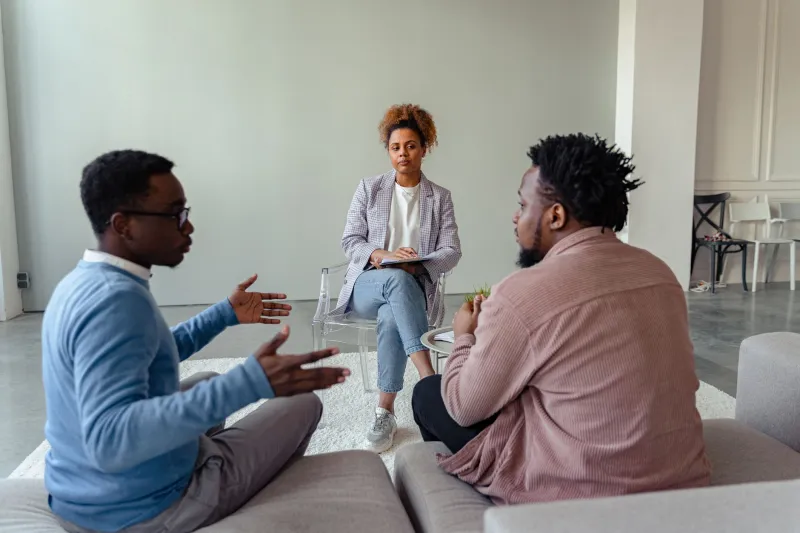
The veteran peacebuilding movement is not without its complications. Many returning service members carry significant trauma of their own — post-traumatic stress, moral injury, and the disorientation of re-entering civilian life after years of structured military existence. Asking veterans to absorb the emotional weight of community conflict without adequate psychological support is neither sustainable nor ethical.
Programs that integrate veterans into peacebuilding roles are increasingly attentive to this concern. The most effective models pair veterans with professional mental health support, provide structured training in formal mediation techniques, and build in deliberate opportunities for peer reflection. The goal is not to exploit military toughness but to honor the full humanity of veterans while channeling their distinctive strengths.
There is also the question of scope. Veteran peacebuilders, however gifted, cannot substitute for the systemic policy changes — in housing, healthcare, criminal justice, and economic opportunity — that address the root conditions of community conflict. The most thoughtful veteran practitioners are the first to make this point. Their work, they insist, is not a replacement for structural reform but a complement to it: building the relational foundation that makes structural change possible.
A New Kind of Homecoming
America has always asked a great deal of its veterans. It has sent them into harm's way, demanded sacrifice, and then, too often, struggled to reintegrate them meaningfully into civilian life. The veteran peacebuilding movement represents a different kind of homecoming — one in which the skills forged in service are not discarded or suppressed but redirected toward the ongoing, unglamorous work of building a more just and peaceful society.
For Marcus Ellery, that work has become a second vocation. He has since completed formal mediation training and now works part-time with a Dayton-based community justice organization, facilitating dialogues between residents and local government agencies. He still describes himself, first and foremost, as a veteran.
"Service doesn't have to end when the uniform comes off," he says. "It just changes form."
In that simple reframing lies a genuinely hopeful proposition — that the men and women who have seen the cost of conflict most clearly may also be among the most capable of helping America find its way toward something better.